
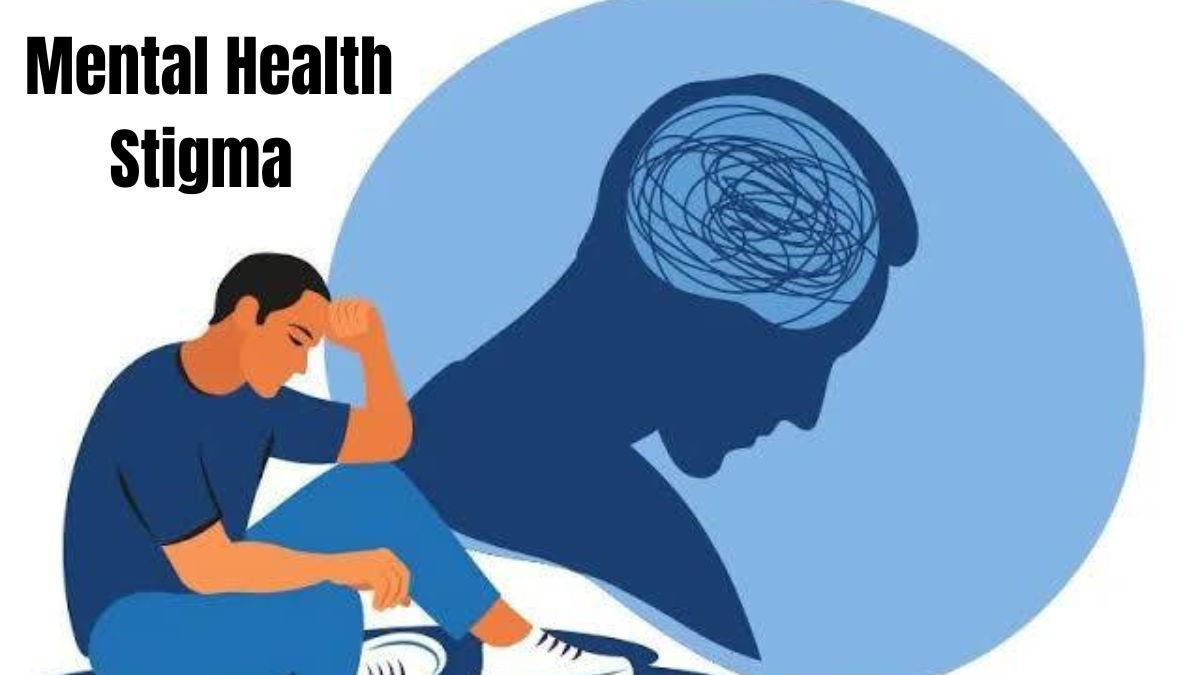
In today’s modern and fast-paced life, mental health has become an extremely important topic. Despite this, the stigma associated with mental illness is still deeply ingrained in society. This stigma not only weakens the person struggling with mental illness but also isolates them from treatment, support, and respect. In this article, we will understand in detail what mental health stigma is, what its causes are, how serious its effects are, and most importantly—how it can be eliminated.
What is Mental Health Stigma?
Mental health stigma refers to negative attitudes, fear, shame, and discrimination towards individuals suffering from mental illness. Society often labels such people as “weak,” “crazy,” “abnormal,” or “dangerous.” This perception is completely wrong and harmful.
Mental illness is a health problem just like any other illness—such as diabetes or heart disease. The only difference is that this illness is not visible, so people don’t take it seriously.
Major Causes of Mental Health Stigma
Lack of Information and Awareness
Many people don’t know what mental illnesses are, why they occur, and that they are treatable. Ignorance breeds fear, and fear fuels stigma.
Cultural and Social Beliefs
In many societies, mental illness is considered:
- A weakness
- A punishment from God
- The effect of evil spirits
Such beliefs are not scientific, but due to ingrained thinking passed down through generations, people accept them as truth.
Misrepresentation in the Media
In films, TV shows, and news, people with mental illness are often portrayed as:
- Violent
- Unstable
- Frightening
This creates a negative image in society and increases fear.
Neglect of Mental Health in the Education System
Mental health is not openly discussed in schools and colleges. Children are taught to “be strong,” but they are not taught that asking for help is also a sign of strength. The Serious Effects of Mental Health Stigma
Delayed or No Treatment
Due to fear of stigma, many people:
- Hide their problems
- Do not go to a doctor or counselor
- This makes the illness more severe.
Decreased Self-Esteem
Constantly hearing negative things makes a person feel:
- Worthless
- A burden
- A failure
This completely shatters their self-confidence.
Social Isolation
People struggling with mental illness:
- Become isolated from friends
- Distance themselves from relationships
- Become socially isolated
- This loneliness deepens the illness.
Discrimination in Employment and Education
Many people:
- Do not get jobs due to mental illness
- Do not get promotions
- Are denied educational opportunities
- This is a direct violation of human rights.
Increased Risk of Suicide
When a person receives no support due to stigma, despair increases. This despair often leads to serious steps like suicide.
Impact on the Family
Mental health stigma affects not only the patient but also their family.
- Hides the truth due to fear of society
- Delays treatment
- Also experiences mental stress
Many parents cannot accept their children’s mental health problems, which worsens the situation.
Why is it important to end mental health stigma?
As long as stigma exists:
- People will not seek help
- Illnesses will continue to increase
- Society will remain insensitive
Ending stigma means:
- Saving lives
- Creating a healthier society
- Protecting human dignity and rights
How to end mental health stigma?
Open Communication
Silence on mental health is the biggest enemy. When people share their experiences, it gives others the courage to speak up.
Spreading Accurate Information
- Scientific information about mental illness
- True stories of treatment and recovery
- Can change people’s perceptions.
Education in Schools and Colleges
Children should be taught from a young age that:
- Emotions are normal
- Mental health problems are nothing to be ashamed of
- Asking for help is a sign of strength
Media Responsibility
The media should:
- Portray people with mental illness respectfully
- Avoid fear-mongering language
- Highlight positive examples
Support in the Workplace
- Offices and companies should:
- Provide mental health leave
- Offer counseling services
- Create a discrimination-free environment
Laws and Policies
The government needs to:
Implement mental health-related laws
Take strict action against discrimination
What can we do at an individual level?
- Listen before you judge
- Avoid using words like “crazy” or “weak”
- Encourage people to seek professional help when needed
- Take care of your own mental health
- Small steps can lead to big changes.
Mental Health and Human Dignity
Mental illness does not define a person. Every individual deserves:
- Respect
- Understanding
- Support
When we view mental health as a human right, the stigma automatically begins to weaken.
Conclusion
The stigma surrounding mental health is like an invisible wall that separates people from help, treatment, and each other. It silently destroys countless lives. But the good news is that this stigma can be overcome.
With accurate information, open conversations, sensitivity, and collective effort, we can create a society where mental illness is met with understanding and support, not shame.
