
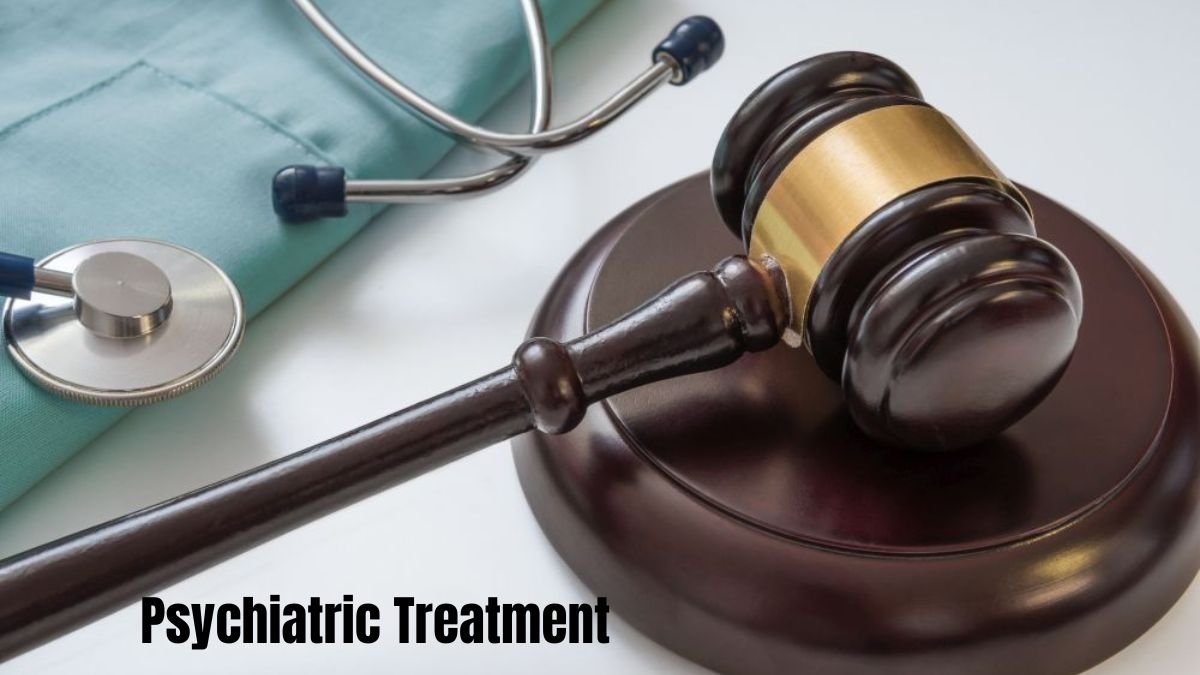
The goal of mental health care is to help an individual become safe, healthy, and independent. However, when treatment is administered without the patient’s will and consent, it ceases to be merely a medical matter and becomes a serious issue involving law, ethics, and human rights. This is known as forced psychiatric treatment.
This article explains in detail what forced psychiatric treatment is, the legal provisions behind it, the ethical questions associated with it, and how it impacts human rights.
What is Forced Psychiatric Treatment?
Forced psychiatric treatment means:
When a person is subjected to the following without their explicit consent:
Admission to a mental hospital
Administration of medication
Injections or therapy
Use of isolation or physical restraints
This treatment is often administered when the patient is considered a “danger to themselves or others.” But the question is,
who makes this decision and with what degree of transparency?
Why is Forced Treatment Administered?
Some common reasons cited are:
- The patient is refusing treatment
- The patient’s mental condition is severe
- There is a risk of suicide or violence
- Family or society is exerting pressure
However, forced treatment is not always necessary or justified in every situation. Sometimes it is done out of fear, misunderstanding, or convenience.
Legal Perspective: What do the Laws Say?
Legal Status in India
In India, the Mental Healthcare Act, 2017 was enacted to protect the rights of mentally ill patients.
This law clearly states that:
- Informed consent of the patient should be the basis of treatment
- Forced treatment can only be administered in emergency situations
- The patient has the right to respect, dignity, and privacy
- Unnecessary confinement in a hospital is illegal
- The aim of this law is to make treatment human rights-based, not punitive.
International Laws and Guidelines
UN Convention on the Rights of Persons with Disabilities (CRPD)
This states that a person’s liberty cannot be taken away on the basis of mental illness. The WHO (World Health Organization)
considers forced treatment a last resort and emphasizes minimal intervention.
Despite this, these laws are not fully followed in many countries.
Ethical Question: Is this right?
Forced psychiatric treatment raises several ethical questions:
Autonomy vs. Safety: Can a person’s free will be completely disregarded in the name of their safety?
Treatment or Control?
Often, forced treatment becomes more a means of control and convenience than actual treatment—especially in overcrowded institutions.
Abuse of Power: The power held by doctors, institutions, or families can be misused against the patient.
Ethically, treatment can only be considered right when it is administered with respect, compassion, and minimal force.
Impact on Human Rights
- Violation of Freedom: Involuntary hospitalization without consent violates a person’s personal liberty.
- Harm to Dignity and Self-Respect: Forced medication, restraint, or isolation makes a person feel humiliated and helpless.
- Mental Trauma: For many patients, forced treatment itself becomes a traumatic experience, which can worsen the illness.
- Silencing the Voice: Making decisions without listening to the patient makes them feel invisible and powerless.
Potential Negative Consequences of Forced Treatment
- Fear and distrust of treatment
- Avoidance of seeking help in the future
- Loss of self-confidence
- Deterioration of the doctor-patient relationship
- Social and emotional isolation
Several studies show that when patients receive treatment with respect and consent, the outcomes are significantly better.
The Role and Responsibility of the Family
Sometimes, families support forced treatment with good intentions.
However, it is important for families to understand that:
- The patient’s voice must be heard
- Coercive measures should be a last resort
- Emotional support is crucial
- Family support, if it turns into pressure, can be harmful.
What are the better alternatives?
Consent-Based Treatment
- The patient should be
- Informed
- Presented with options
- Involved in the decision-making process
Community-Based Care
Instead of hospitalization:
- Treatment near home
- Counseling
- Support groups
Advance Directives
Many laws grant patients the right to specify in advance:
- The type of treatment they want
- What should be done in an emergency
Independent Monitoring
- For mental health institutions:
- Regular inspections
- Complaint mechanisms
- Oversight by human rights commissions
Why is changing societal attitudes necessary?
Forced psychiatric treatment is often a product of fear and stigma.
When society stops viewing mental illness as dangerous:
- Incidents of forced treatment will decrease
- Patients will seek help more readily
- Treatment will become more humane
Conclusion
Forced psychiatric treatment is an extremely sensitive issue, where striking a balance between the need for treatment and the patient’s rights is crucial. While it may be necessary in some emergency situations, it should never be considered a routine or easy option. Effective mental healthcare respects the patient’s autonomy, employs minimal intervention, and protects their human dignity, because any treatment based on fear or coercion is not true healing.
