
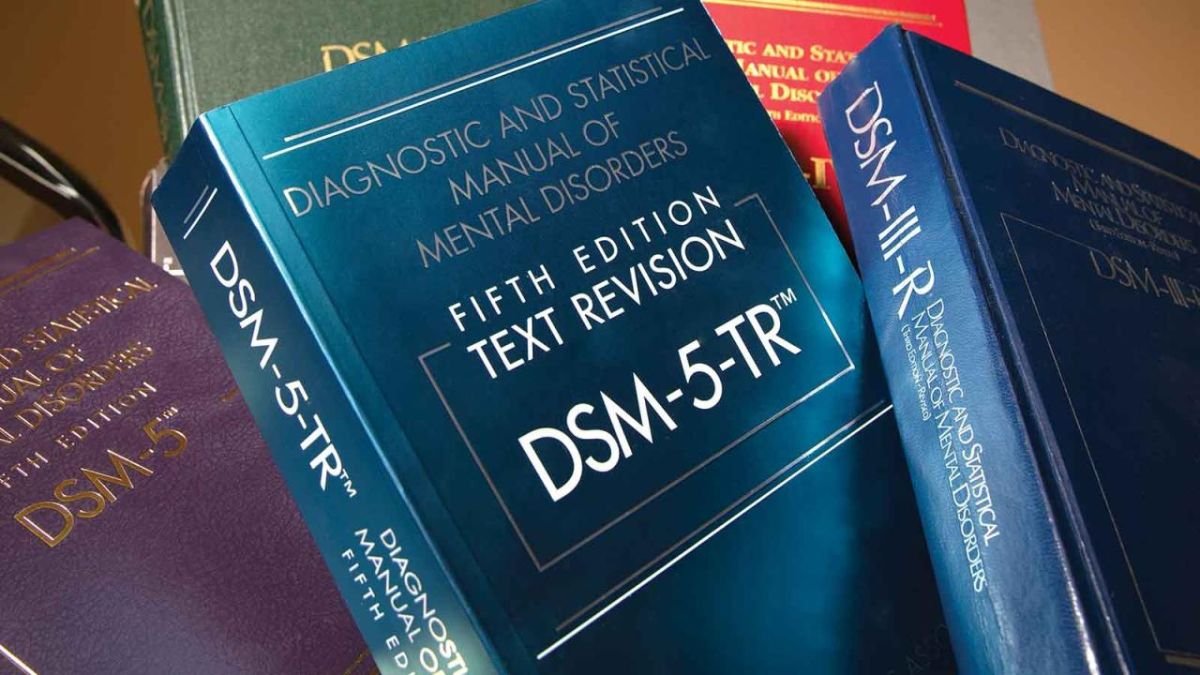
The DSM, or Diagnostic and Statistical Manual of Mental Disorders, is one of the most influential tools in the field of psychiatry and mental health. Used by clinicians, researchers, insurance companies, and policymakers, it serves as a central guide for diagnosing mental illnesses. While widely respected, the DSM has also faced intense scrutiny and criticism throughout its history. Understanding its origins, purposes, and controversies is crucial not only for mental health professionals but also for anyone interested in how mental disorders are defined and treated in modern society.
The Origins of the DSM
The roots of the DSM can be traced back to the early 20th century, during a time when psychiatry was striving to establish itself as a legitimate medical discipline. Before standardized classification systems, mental illnesses were diagnosed using a mix of subjective judgment, local traditions, and inconsistent criteria. The lack of uniformity created confusion among practitioners and made research into mental health extremely difficult.
In 1840, the first official attempt to classify mental illnesses in the United States appeared with the publication of the “Statistical Manual for the Use of Hospitals for the Insane” by the Census Office. However, this manual was largely limited to recording census data rather than providing clinical guidance. Over the decades, psychiatrists increasingly recognized the need for a more precise, clinically useful system.
The modern DSM as we know it emerged in 1952, published by the American Psychiatric Association (APA). Its first edition, DSM-I, contained 106 mental disorders and reflected a psychodynamic understanding of mental illness, heavily influenced by Freudian theory. The DSM was intended primarily as a tool for standardizing diagnoses across different hospitals and clinicians, and it marked a significant step toward bringing scientific rigor to psychiatry.
Purpose of the DSM
The DSM was created with several key purposes in mind. First and foremost, it provides a common language for mental health professionals. By clearly defining specific criteria for each disorder, the manual helps psychiatrists, psychologists, social workers, and other clinicians diagnose patients consistently, regardless of their location or training background.
Another critical purpose is facilitating research. Standardized diagnostic criteria allow scientists to study specific populations, track prevalence rates, and evaluate treatment outcomes in a reliable manner. Without such a system, comparing results across studies would be nearly impossible.
The DSM also serves as a framework for insurance and healthcare systems. Many insurance companies require a DSM diagnosis before covering treatment costs. By establishing a clear classification of disorders, the DSM ensures that mental health services can be standardized and reimbursed appropriately.
Finally, the DSM has an educational function. Psychiatry students, medical students, and mental health trainees rely heavily on the DSM for learning about mental disorders, understanding diagnostic criteria, and developing treatment plans. In essence, it is both a clinical guide and a teaching tool, influencing generations of practitioners worldwide.
Evolution Across Editions
Since its first publication, the DSM has undergone several major revisions, reflecting shifts in psychiatric theory, research, and cultural understanding.
DSM-I (1952) and DSM-II (1968) were heavily influenced by psychoanalytic thinking and largely descriptive. DSM-II included 182 disorders and expanded its definitions, yet it still lacked operationalized criteria, which made diagnoses somewhat subjective.
A significant turning point came with DSM-III (1980). Led by psychiatrist Robert Spitzer, this edition introduced operationalized criteria for each disorder, meaning that specific symptoms and durations were clearly listed. DSM-III moved away from psychoanalytic theory and adopted a more empirical, medical model of mental illness. It also introduced the multiaxial system, which allowed clinicians to evaluate not only primary diagnoses but also personality disorders, medical conditions, and psychosocial factors. This edition revolutionized psychiatric practice, research, and insurance coding.
DSM-IV (1994) and its text revision, DSM-IV-TR (2000), further refined diagnostic criteria based on research evidence and field trials. The manual included more disorders and incorporated cultural considerations, acknowledging that mental health symptoms can manifest differently across populations. These editions solidified the DSM as a central tool for modern psychiatry.
The most recent edition, DSM-5 (2013), introduced several notable changes. It eliminated the multiaxial system, redefined certain disorders, and created new categories, such as autism spectrum disorder and disruptive mood dysregulation disorder. DSM-5 also faced significant public attention for controversial reclassifications, such as the removal of gender identity disorder and the redefinition of bereavement-related depression. Its release sparked widespread debate about the boundaries between normal behavior and mental illness.
Major Criticisms Over the Years
Despite its influence, the DSM has not been without controversy. Critics from psychiatry, psychology, sociology, and even philosophy have raised important concerns.
1. Medicalization of Normal Behavior
One frequent criticism is that the DSM medicalizes normal human experiences. By defining ever-broadening categories of disorders, critics argue that ordinary sadness, anxiety, or grief risks being labeled as pathological. This can lead to overdiagnosis, overtreatment, and unnecessary reliance on medication. Some mental health professionals worry that the DSM prioritizes symptoms over the context of an individual’s life, potentially pathologizing healthy reactions to life stressors.
2. Reliability vs. Validity
While the DSM excels at diagnostic reliability—ensuring different clinicians make the same diagnosis—it struggles with validity, or accurately reflecting the underlying causes of mental disorders. Critics argue that the manual classifies based on symptom clusters rather than underlying biological or psychological mechanisms. This symptom-focused approach, although pragmatic, may oversimplify complex mental health conditions and ignore individual differences.
3. Influence of Pharmaceutical Industry
Another significant critique revolves around the relationship between DSM revisions and the pharmaceutical industry. Some researchers and advocates claim that expanding diagnostic categories benefits drug companies by creating larger markets for psychiatric medications. While the APA asserts that its committees operate independently, skepticism remains about potential conflicts of interest influencing certain DSM decisions.
4. Cultural Bias
The DSM has also faced scrutiny for cultural bias. Most editions were developed primarily in Western contexts, which may not fully capture how mental health issues manifest in non-Western populations. Symptoms considered pathological in one culture might be normative in another, raising questions about the universality of DSM classifications. Although DSM-5 included a cultural formulation interview to address this, critics argue that more work is needed to make the manual globally relevant.
5. Stigmatization
Ironically, while the DSM aims to aid understanding and treatment, it can sometimes contribute to stigma. A formal diagnosis can lead to labeling, social exclusion, and internalized negative self-perceptions. Mental health advocates emphasize the importance of balancing diagnostic clarity with sensitivity to individuals’ experiences.
The Ongoing Debate
The DSM continues to generate debate in both academic and public spheres. Supporters argue that it is an essential tool for clinicians, researchers, and insurance systems, enabling standardized communication and reliable treatment planning. Opponents caution against overreliance on a symptom-based manual, advocating for approaches that incorporate social, psychological, and cultural factors.
Some experts propose alternative frameworks, such as dimensional models of mental illness that assess symptoms along a continuum rather than as discrete categories. Others suggest integrating biological, genetic, and neuroimaging data to improve diagnostic accuracy. While the DSM remains central to psychiatry, it is increasingly recognized as just one piece of a complex puzzle in understanding mental health.
Conclusion
The DSM has played a pivotal role in shaping modern psychiatry, transforming mental health diagnosis from subjective judgment to a structured, research-informed process. Its history reflects broader trends in medicine, psychology, and society, including the shift from psychoanalytic theory to empirical, symptom-based classification. While the manual has provided invaluable guidance for clinicians and researchers, it has also faced substantial criticism regarding overmedicalization, cultural bias, and pharmaceutical influence.
Understanding the DSM’s history, purpose, and controversies is crucial for anyone navigating the mental health landscape. It reminds us that psychiatry is not just a science but also a reflection of cultural, ethical, and social considerations. As mental health research evolves, the DSM will likely continue to adapt, balancing the need for reliable diagnosis with the imperative to respect human diversity and experience.
